
Production Scheduling
Production Scheduling Basics for Growing Workshops
Scheduling translates customer demand into realistic jobs at available machines and workstations.
Clear explanations, practical resources, and independent decision-making frameworks for small businesses.
Scheduling translates customer demand into realistic jobs at available machines and workstations.

MRP focuses on material and production planning, while ERP typically coordinates a wider range of business functions.

Barcode scanning can reduce manual data entry in receiving, picking and stock counts.

Work in progress (WIP) includes jobs started but not yet finished, and visibility helps teams spot congestion.

Materials management gets complicated when one item is bought by weight and consumed by piece or length.

Reorder points turn lead time and daily demand into a repeatable purchasing signal.

Spreadsheets are inexpensive and flexible, but version control becomes harder as transactions and users increase.

Inventory tools should reflect how materials move through purchasing, production and shipping—not just what is stored on shelves.
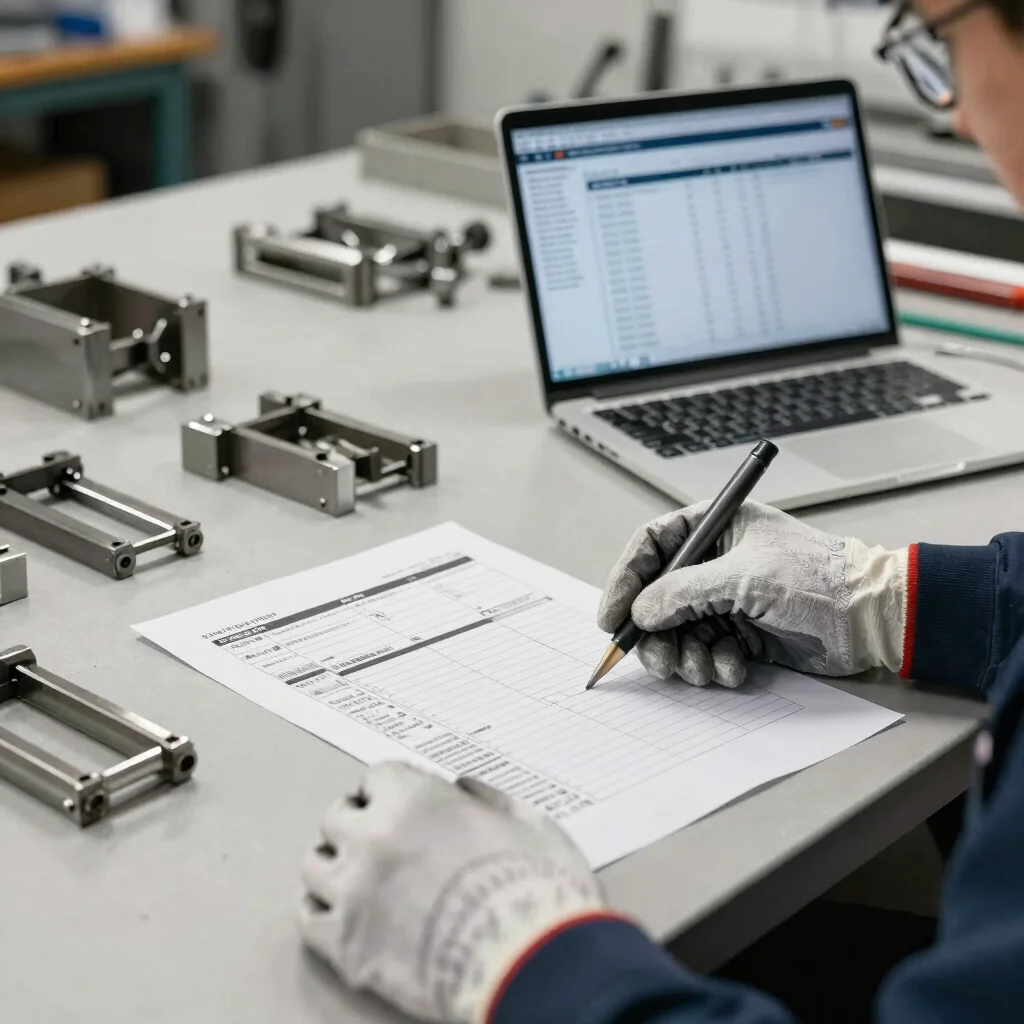
A job can finish on schedule and still miss its margin target if labor, materials, or outside work never make it into the cost record. Connect the work order to the costs people actually record.
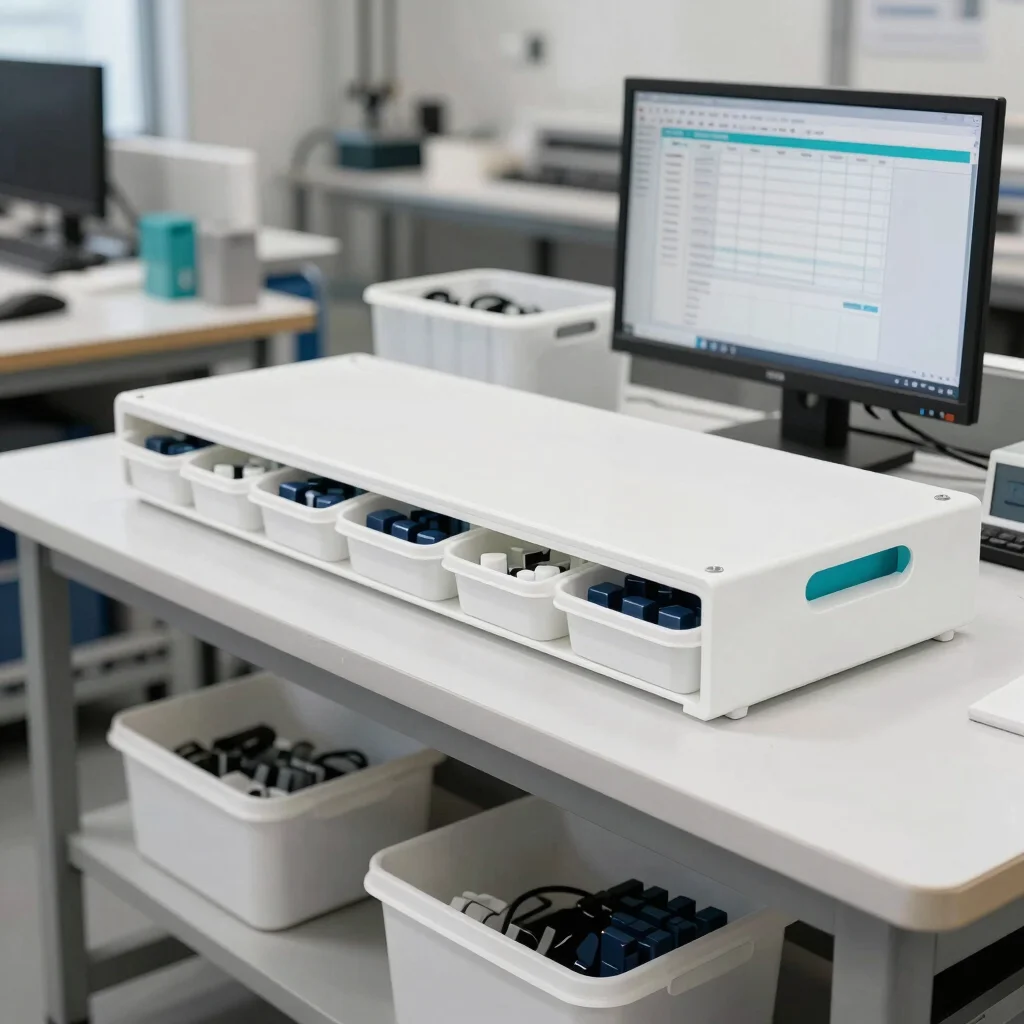
Knowing what is on the shelf is different from knowing what parts a scheduled build will require. The gap between those answers is where manufacturing resource planning may earn its place.