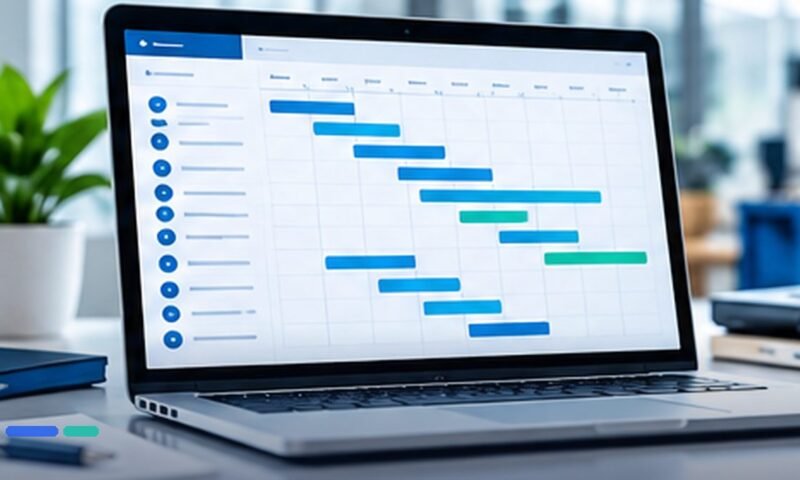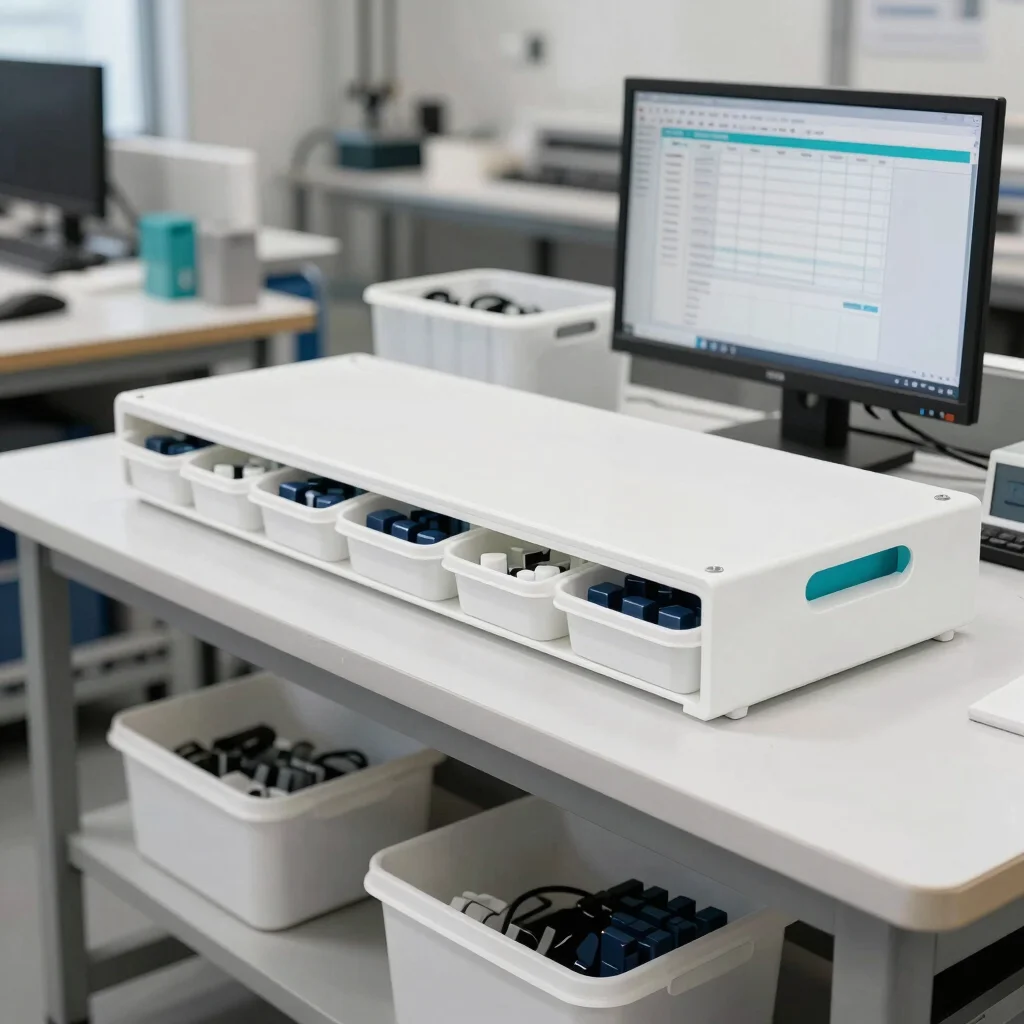
A small shop can have accurate on-hand counts and still discover, halfway through a build, that a required component was never ordered. Inventory software answers questions about stock; manufacturing resource planning, or MRP, is meant to connect stock with planned production and the materials those jobs require.
The inputs make the difference
An MRP workflow depends on more than a product name and a quantity. It needs usable bills of materials, current inventory, planned or open work, and realistic purchasing lead times to calculate what may be needed and when.
If a bill of materials is out of date, or a substitute part is routinely used but never recorded, the planning output can be misleading. Software cannot make incomplete production data dependable simply by presenting it in a schedule.
Check the workflow before buying
Map one real build from customer demand through purchasing, picking, and completion. Then ask a vendor or evaluate a demo using that example: can the system show the material shortfall, account for stock already committed elsewhere, and make the next action clear to the person responsible?
A business that assembles a few products from repeatable components may benefit from connected planning sooner than a shop that mainly buys finished goods for resale. But if production steps and material records are still changing every week, improving those records may be the more useful first project.
Keep the first scope narrow
Start with a limited group of frequently built products and the parts that most often delay them. Confirm that quantities, units, and lead times match the way the shop actually works before expanding the setup to every item.
Software links in our coverage may earn BizToolsAtlas a commission. We do not treat a product feature as verified unless we have support for it, and we do not claim hands-on testing where none has taken place.